Early Gameplay footage
Associate Game Producer
Feb 2024 - June 2024
Grill Tennis was developed by a 6-person cross-functional team over 5 months. As Game Producer, I established and led the Agile production workflow, enabling structured weekly delivery, clear scope alignment, and cross-discipline coordination from concept through release preparation. Outcomes 5-month production cycle completed 6-person team coordinated across disciplines Weekly sprint delivery established and sustained Playable vertical slice achieved before final milestone
My contributions:
Established Agile production and sprint structure
Set up weekly sprint cadence, backlog organization and task tracking in Jira and Trello to ensure clear priorities and consistent delivery.
Led planning, prioritization, and scope management
Defined user stories and deliverables with the team, balancing feature ambition with timeline constraints to maintain a sustainable pace.
Monitored progress and removed blockers
Tracked sprint goals, surfaced risks early, and aligned scope or priorities to keep production moving without crunch.
Outcomes
100% sprint cadence maintained across project
Scope stabilized for vertical slice delivery
Cross-discipline alignment sustained through release prep
The Idea
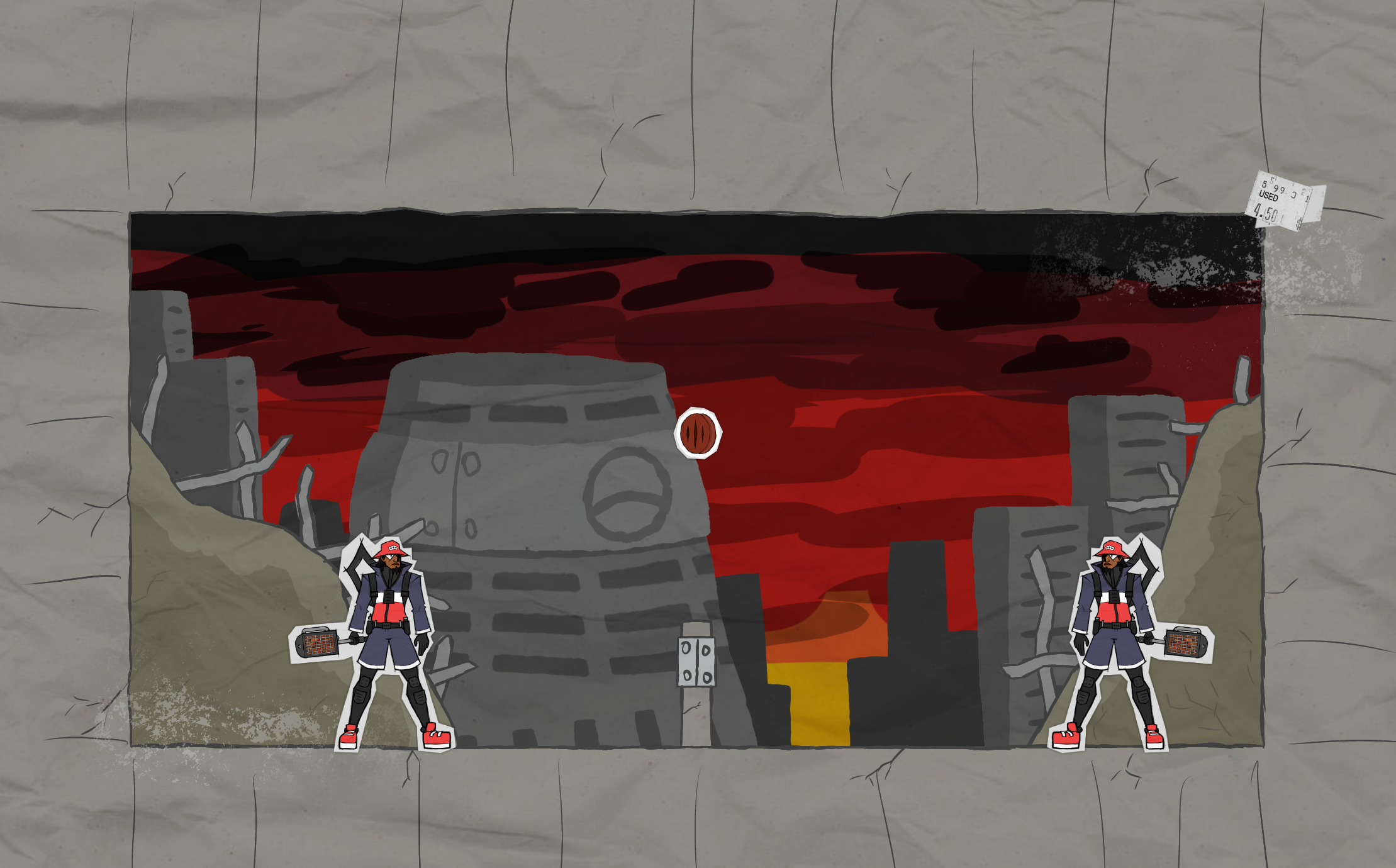
The project began with a teammate’s vision to create a competitive arena action game inspired by high velocity projectile combat.
We focused on capturing the genre’s core intensity while introducing distinct mechanics and visual identity to differentiate within the arena brawler space.
Early production structured the concept into a feasible scope for a 5-month student startup project.
The Process
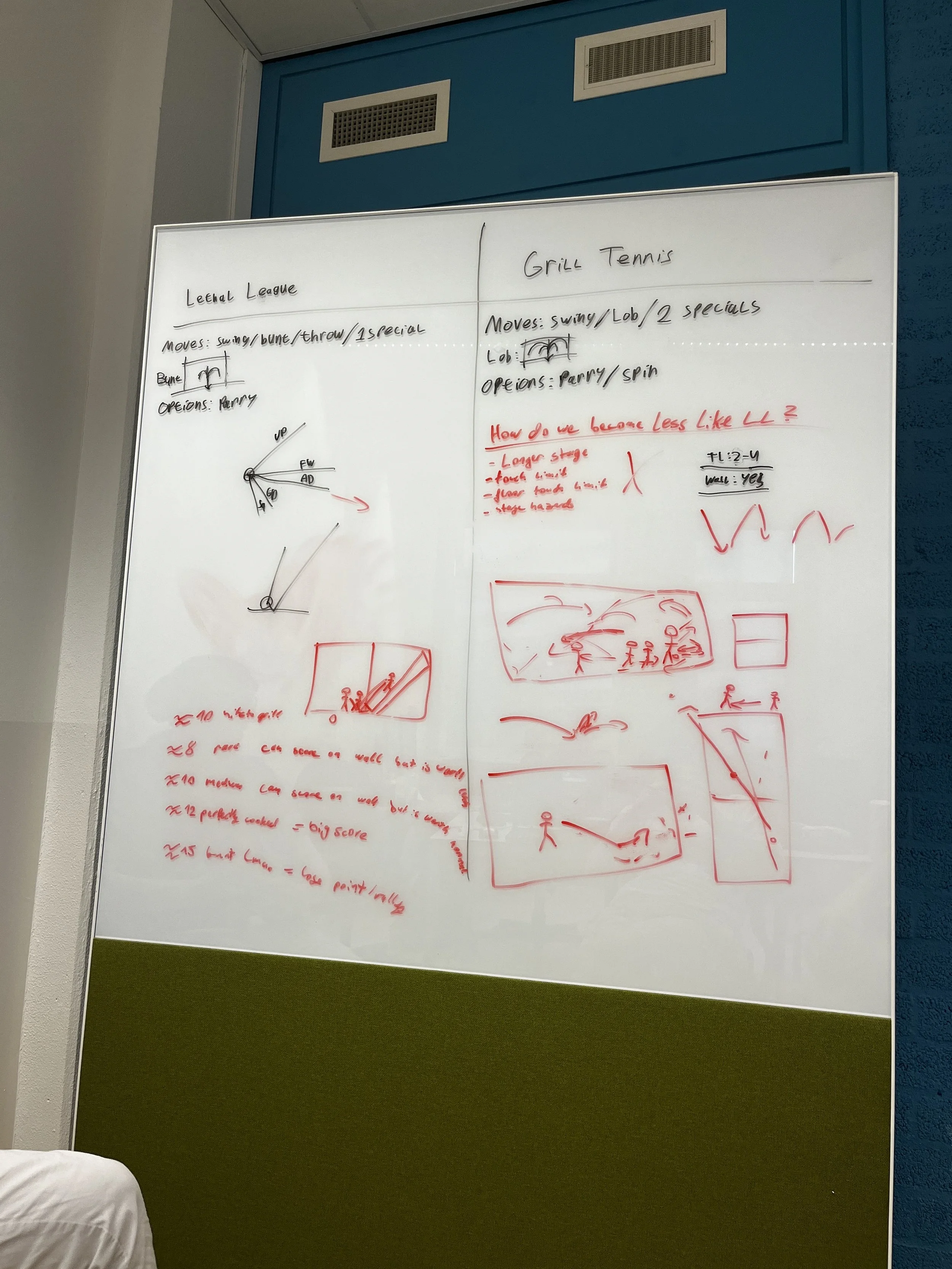
The team followed a weekly sprint workflow adapted to a 6-person indie team.
Work was structured into prioritized gameplay user stories and delivered in vertical slices, moving features from implementation through review into playable builds before expanding scope.
Jira, Trello, Slack, and Confluence supported planning and documentation.
Regular milestone reviews and external playtests at Hanze University and Dutch Game Garden informed iteration and scope decisions.
As producer, I facilitated sprint planning and cross discipline alignment to maintain momentum toward a build.
Outcomes
Weekly sprint planning and reviews executed for 5 months
Vertical slice delivered before final phase
External playtests integrated into production loop
Milestone reviews enabled scope decisions
The Team
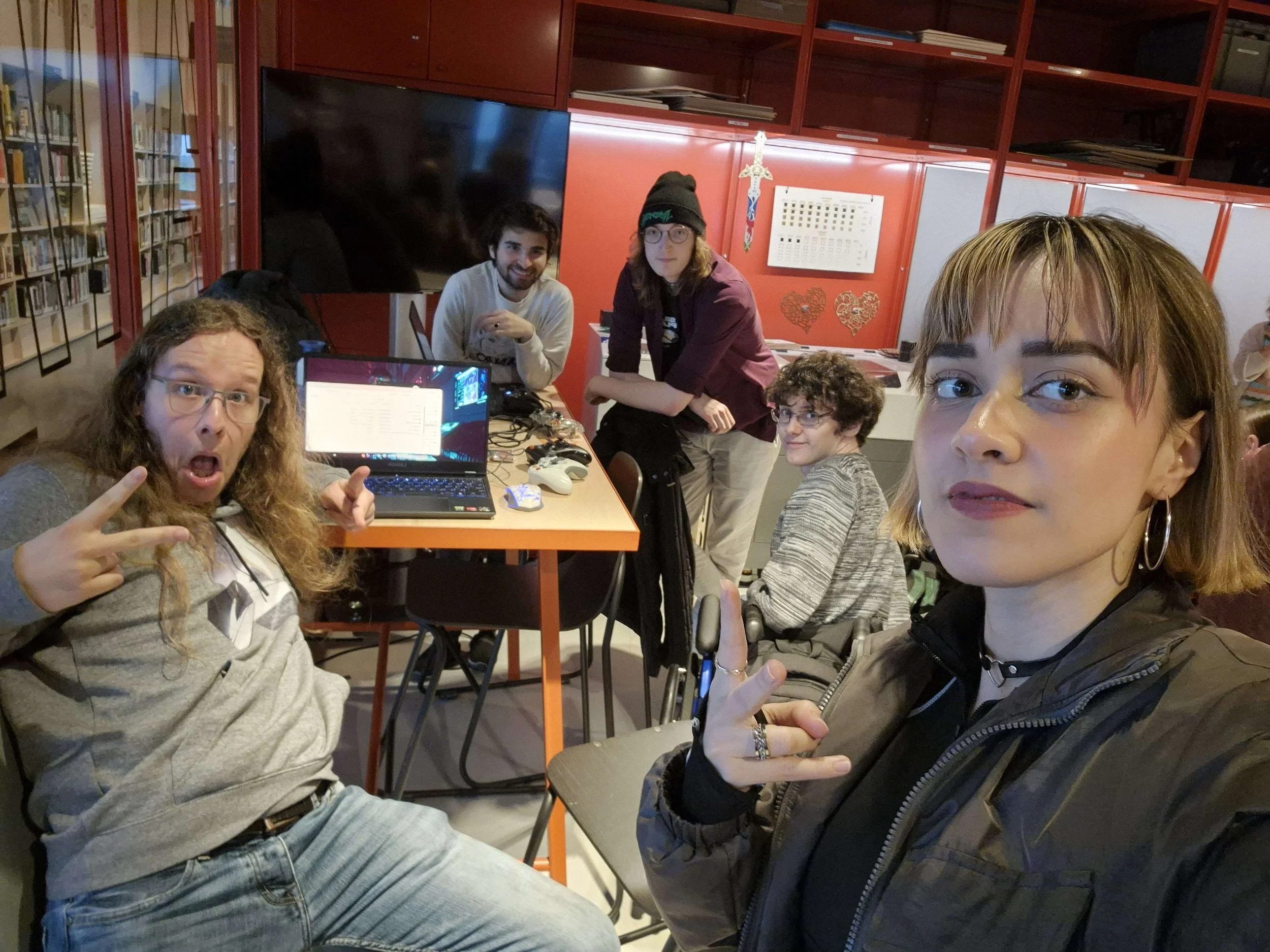
6-person cross-functional team: 2 programmers, 1 game designer, 1 artist, 1 sound designer, and 1 game producer (my role).
I led production and coordination, enabling the team to deliver core gameplay from concept to implementation within a 5-month cycle.
Outcomes
Full team retained through production
Cross-discipline workflow established
Consistent weekly delivery achieved
What went well
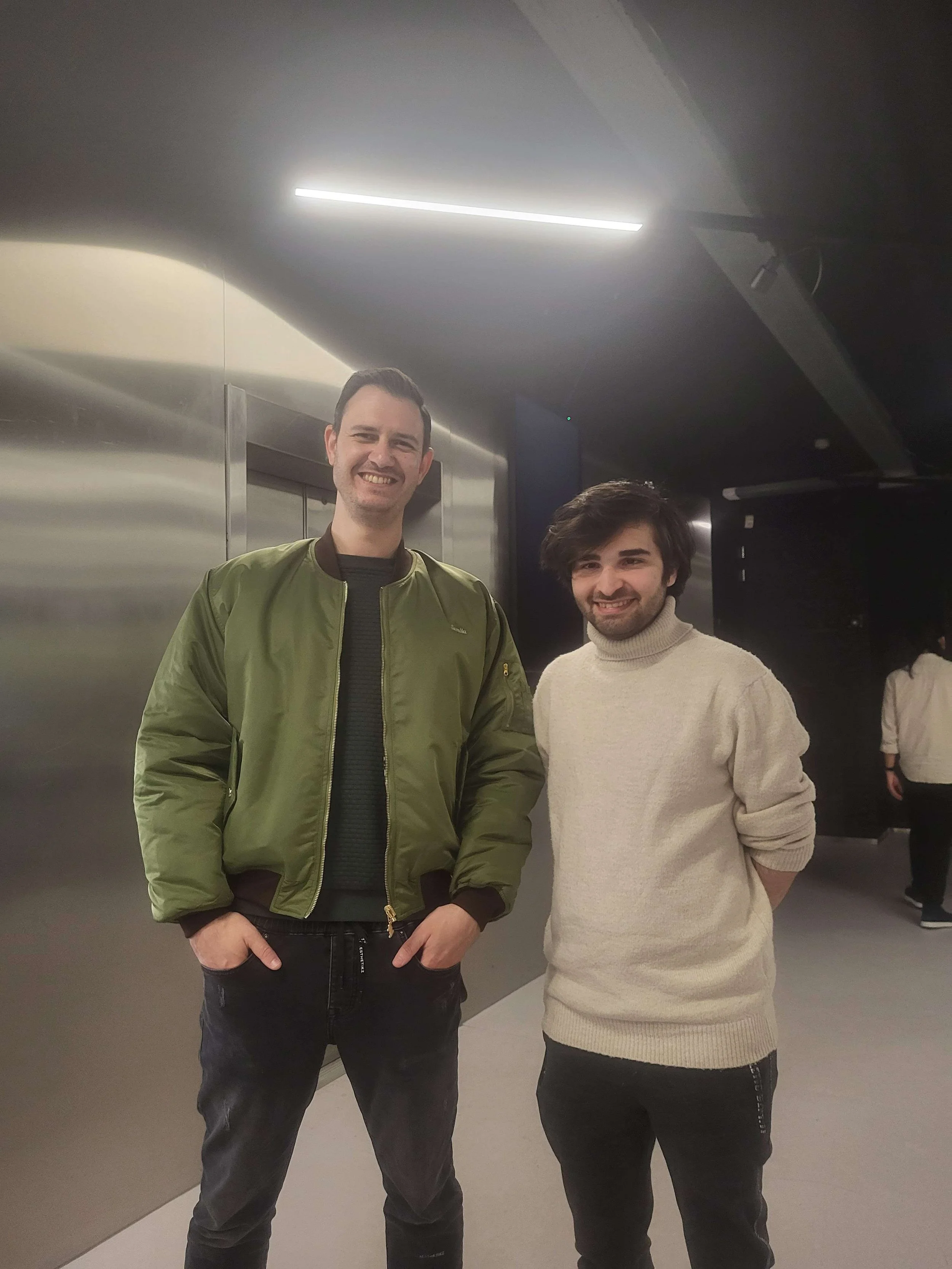
picture with the creator of Leathal League :)
Great use of external expertise
We actively sought feedback from lecturers, indie developers, and genre creators. Regular external playtests at Hanze and Dutch Game Garden provided actionable validation that improved usability and core gameplay feel.
Transparent stakeholder communication
Milestone reviews and playable builds maintained shared visibility on progress, risks, and scope tradeoffs, enabling timely decisions and alignment around priorities.
High ownership across disciplines
Clear sprint goals and task ownership enabled team members to work autonomously while staying aligned, resulting in reliable weekly delivery and low rework.
Outcomes
Multiple external playtest sessions conducted
Core gameplay loop validated externally
Weekly delivery consistency maintained
Minimal late-stage rework
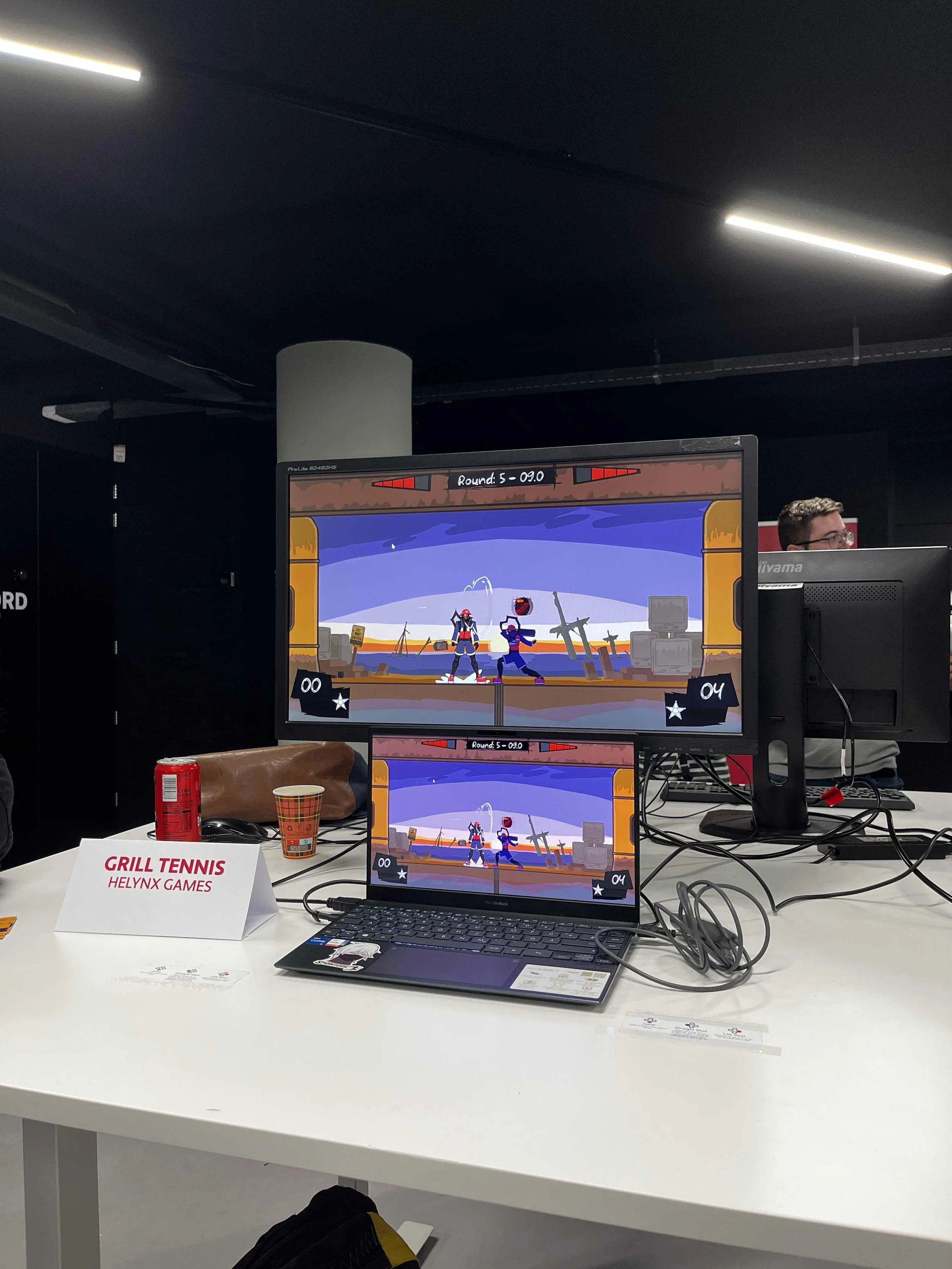
Gameplay-First Prioritization
We prioritized core gameplay responsiveness over secondary systems. Production focused on refining the moment to moment combat loop before expanding content, ensuring the defining mechanic reached quality early and guided later development.
Outcomes
Core loop stabilized before content expansion
Gameplay quality reached target before final phase
Active External Playtesting and QA
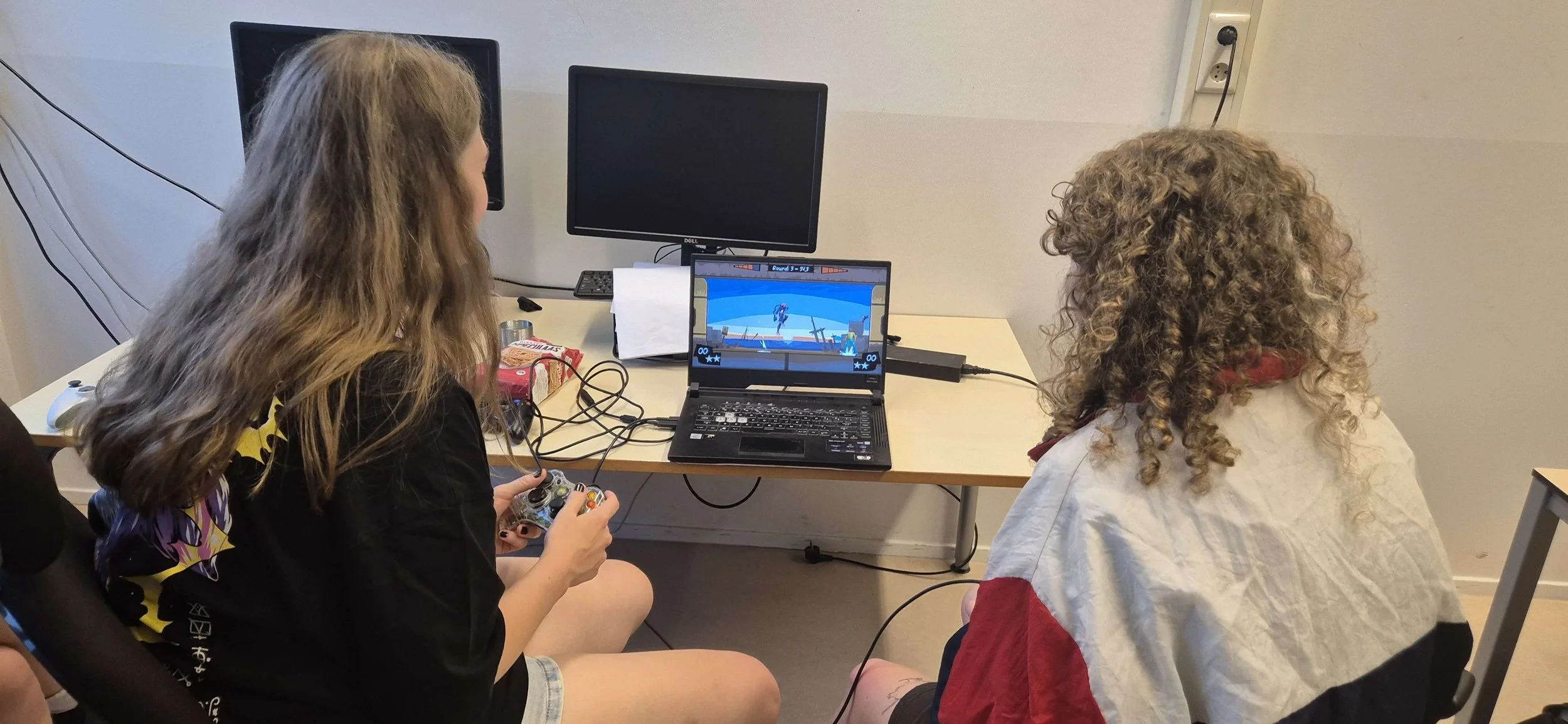
We validated the game through external playtests at Dutch Game Garden with diverse players. Feedback surfaced usability issues early and confirmed the core loop.
During these sessions we also connected with the creator of Lethal League, reinforcing our direction and differentiation goals.
Outcomes
External players tested core gameplay
Usability issues identified pre-final milestone
Genre validation from industry expert
What went wrong
Initial scope exceeded timeline
The original concept included more mechanics and content than feasible in 5 months.
Scope reductions occurred after work had already begun, causing rework and morale impact.
Earlier MVP definition would have stabilized planning.
Late process maturity
Approval and validation checkpoints were not frequent enough early on. Some features progressed without meeting evolving quality expectations, leading to later cuts and delays.
Earlier milestone level validation would have reduced slippage.
Periods of deadline pressure
As scope tightened late in production, the team required structured weekend sessions to reach release quality.
While planned transparently, this reflected optimistic early scoping and milestone planning.
Learnings
Define ownership and decision boundaries early
Establishing discipline ownership and approval flows from the start prevents ambiguity and accelerates iteration.
Make dependencies explicit
Mapping gameplay and technical dependencies early improves scheduling accuracy and reduces blocked work.
Align team continuously with vision
Reinforcing player goals and priorities helps teams interpret scope changes as progress rather than loss, sustaining motivation through iteration.